The planets of the Solar System
The Solar System has 8 planets. In order from the Sun they are Mercury, Venus, Earth, Mars, Jupiter, Saturn, Uranus and Neptune: the first four are rocky, the other four are giants in the outer reaches. Alongside them orbit the 5 dwarf planets recognised by the IAU: Ceres, in the asteroid belt, then Pluto, Haumea, Makemake and Eris at the edge of the system. Pick a body to discover its scientific data, moons and trivia, or watch them all in motion in the NASA-data-based 3D simulation.
Our star
Everything orbiting here exists because of it: the Sun holds 99.86% of the Solar System's mass and governs its light, heat and orbits.
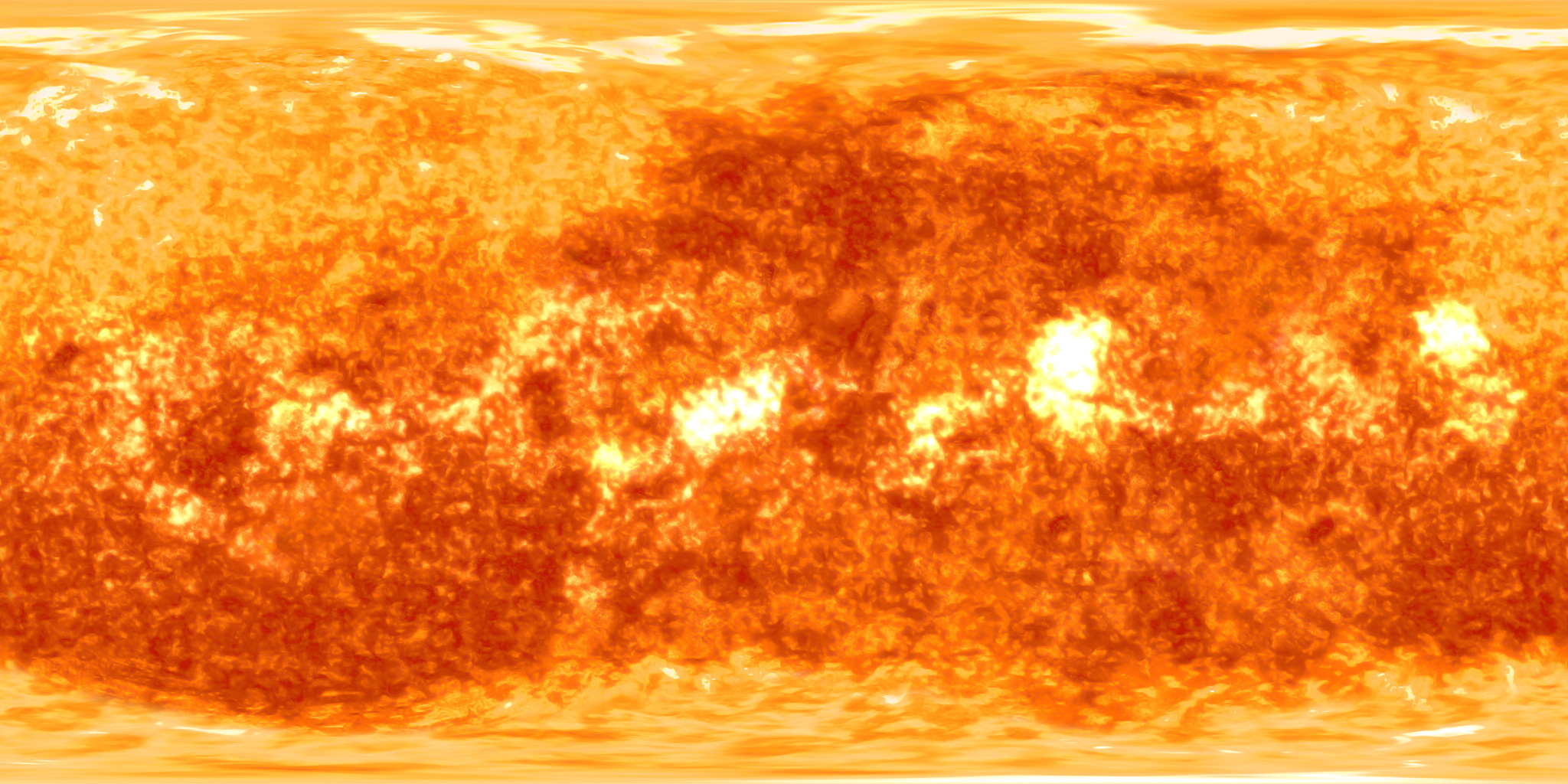 The star at the heart of the Solar System
Sun
1.39 M km · Age: 4.6 bn years
Read the profile
The star at the heart of the Solar System
Sun
1.39 M km · Age: 4.6 bn years
Read the profile
The eight planets
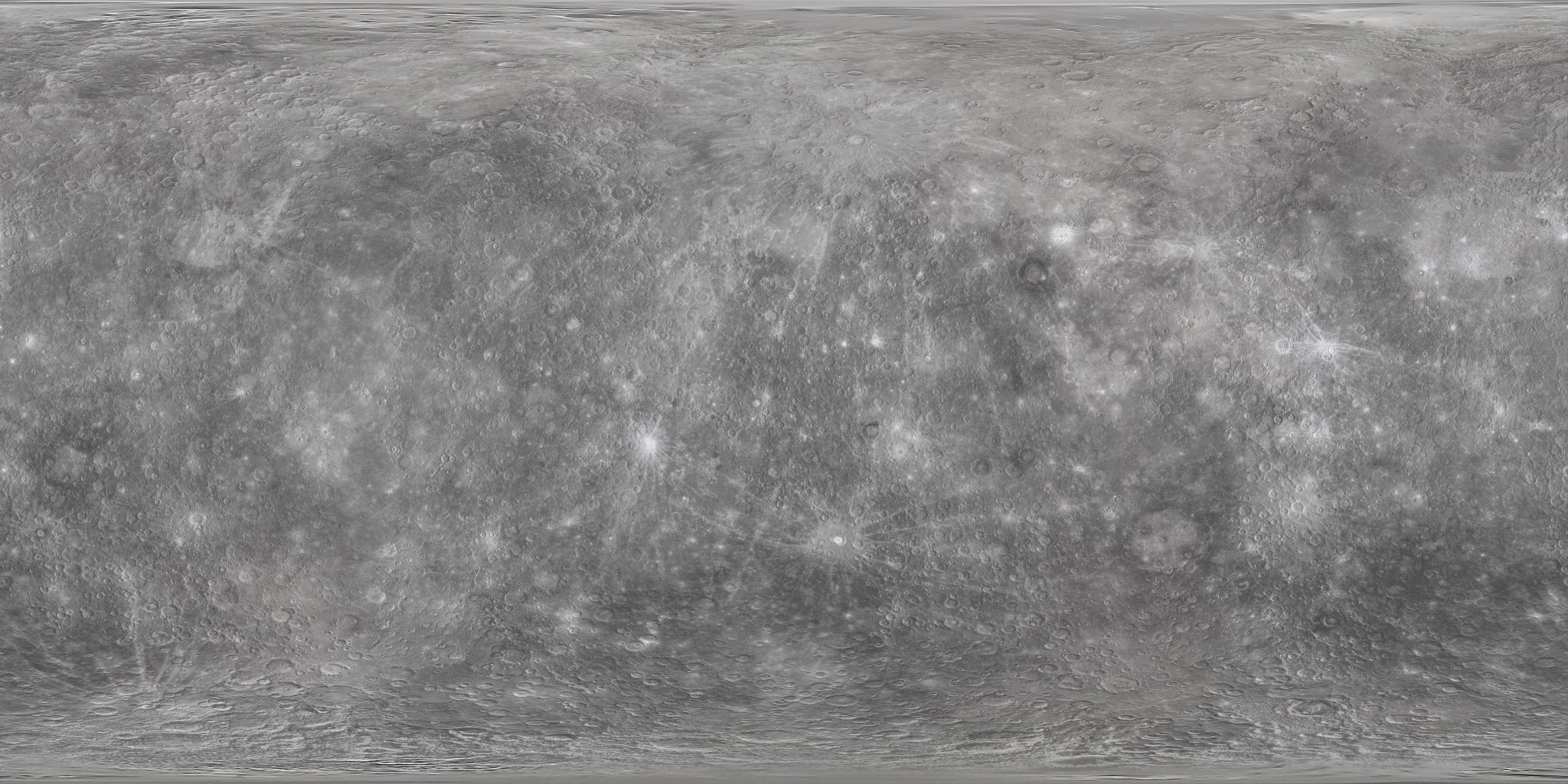 1st planet from the Sun
Mercury
4,879 km · Moons: 0
Read the profile
1st planet from the Sun
Mercury
4,879 km · Moons: 0
Read the profile
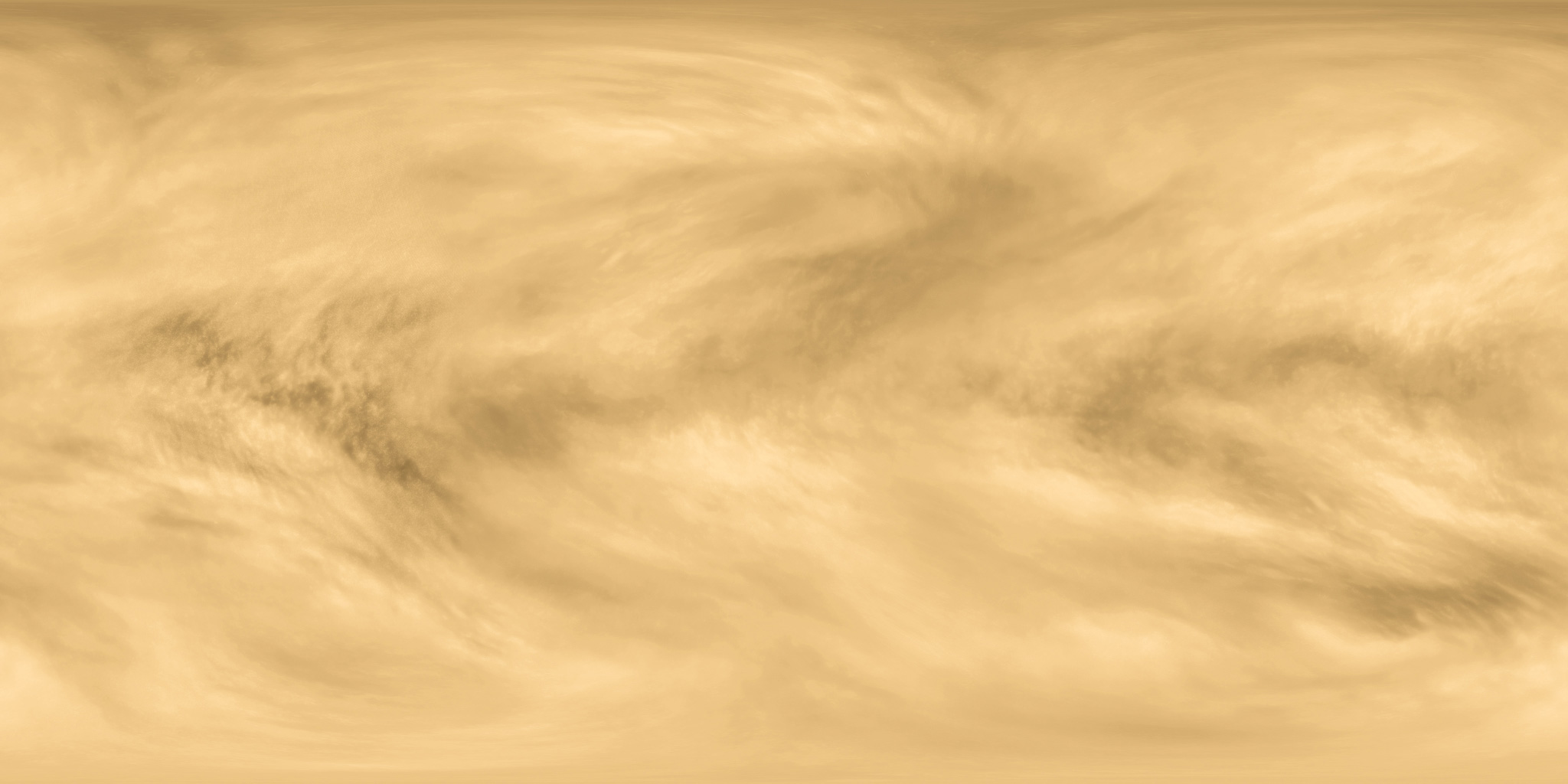 2nd planet from the Sun
Venus
12,104 km · Moons: 0
Read the profile
2nd planet from the Sun
Venus
12,104 km · Moons: 0
Read the profile
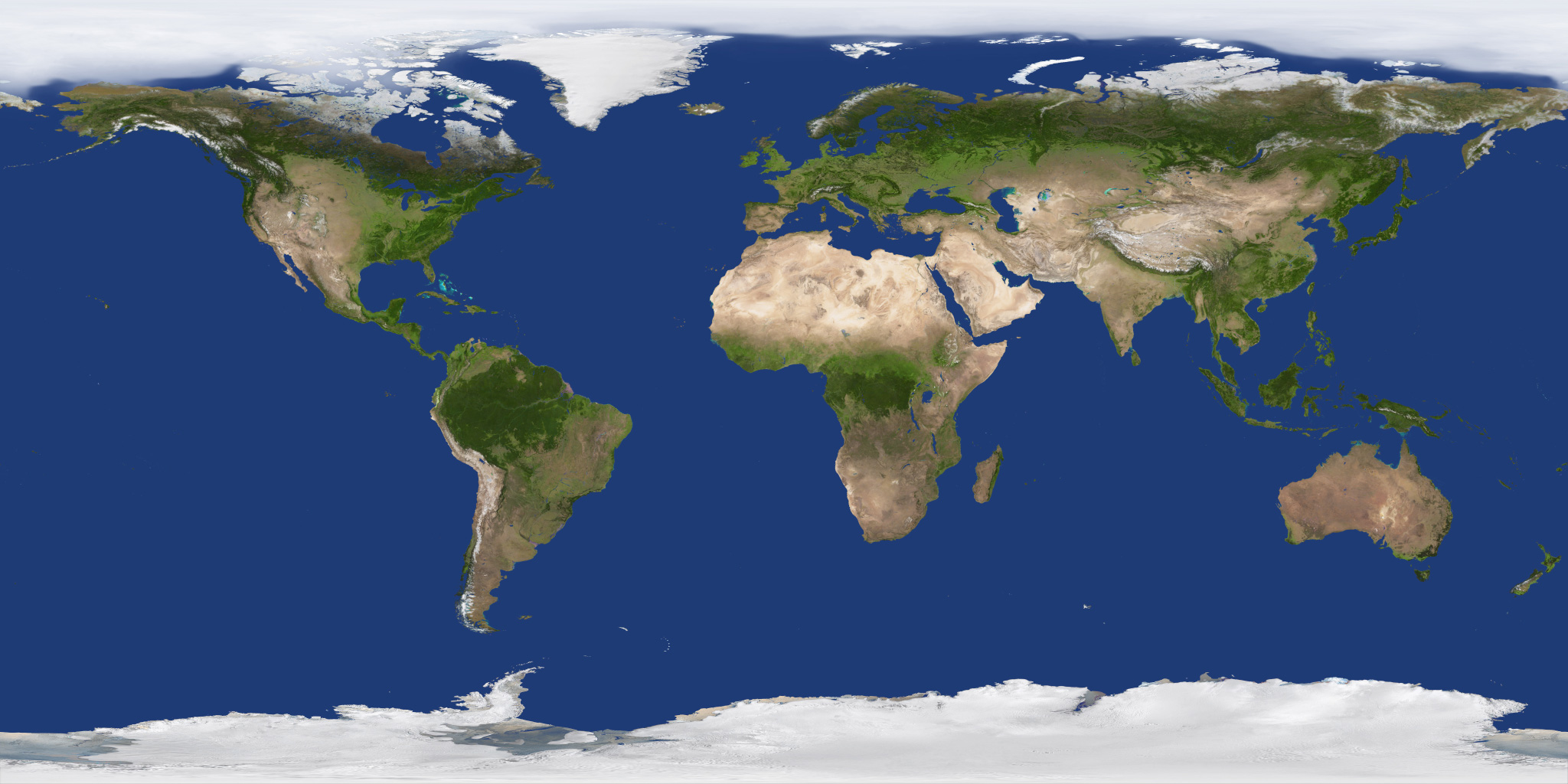 3rd planet from the Sun
Earth
12,756 km · Moons: 1
Read the profile
3rd planet from the Sun
Earth
12,756 km · Moons: 1
Read the profile
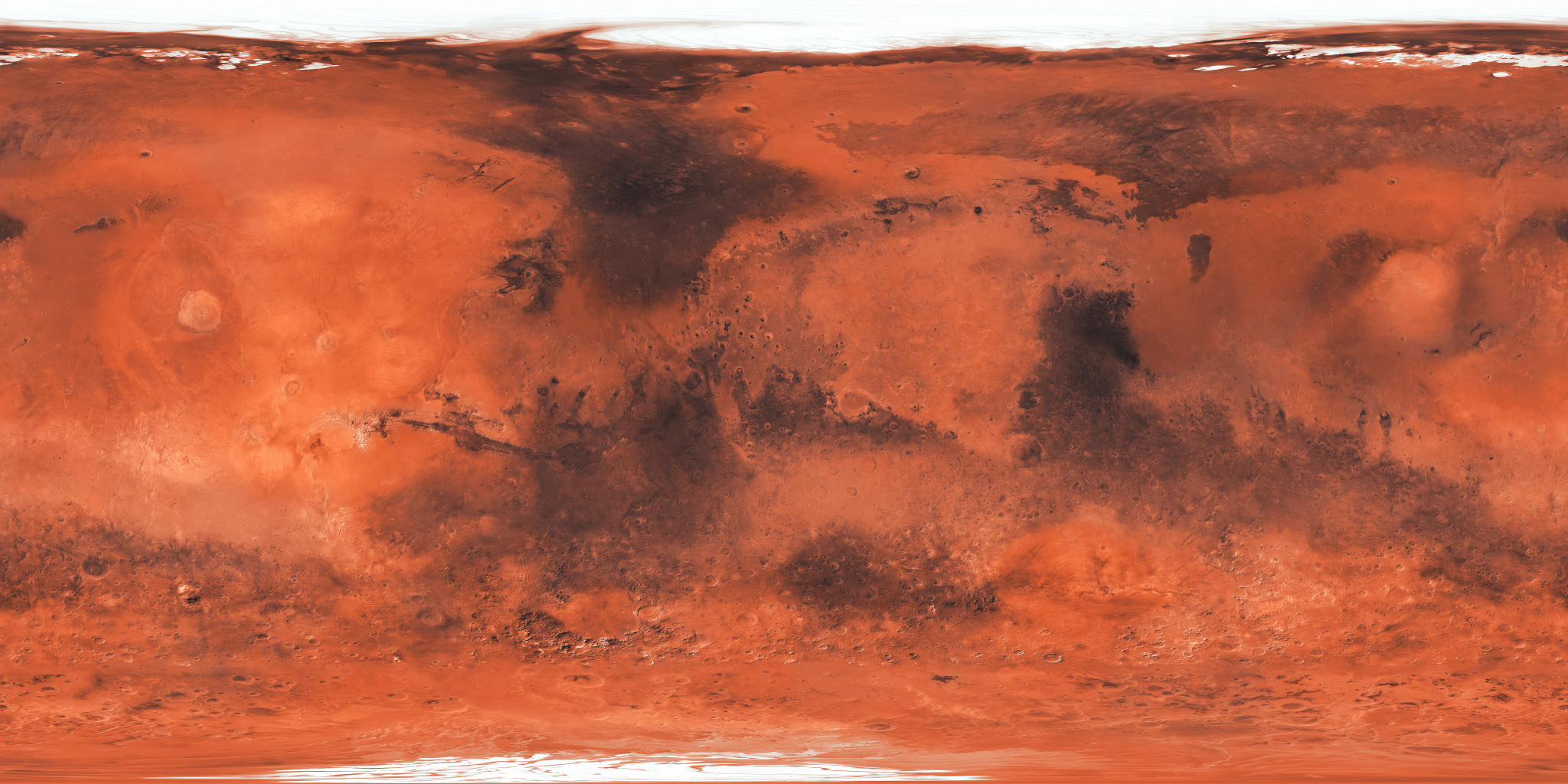 4th planet from the Sun
Mars
6,792 km · Moons: 2
Read the profile
4th planet from the Sun
Mars
6,792 km · Moons: 2
Read the profile
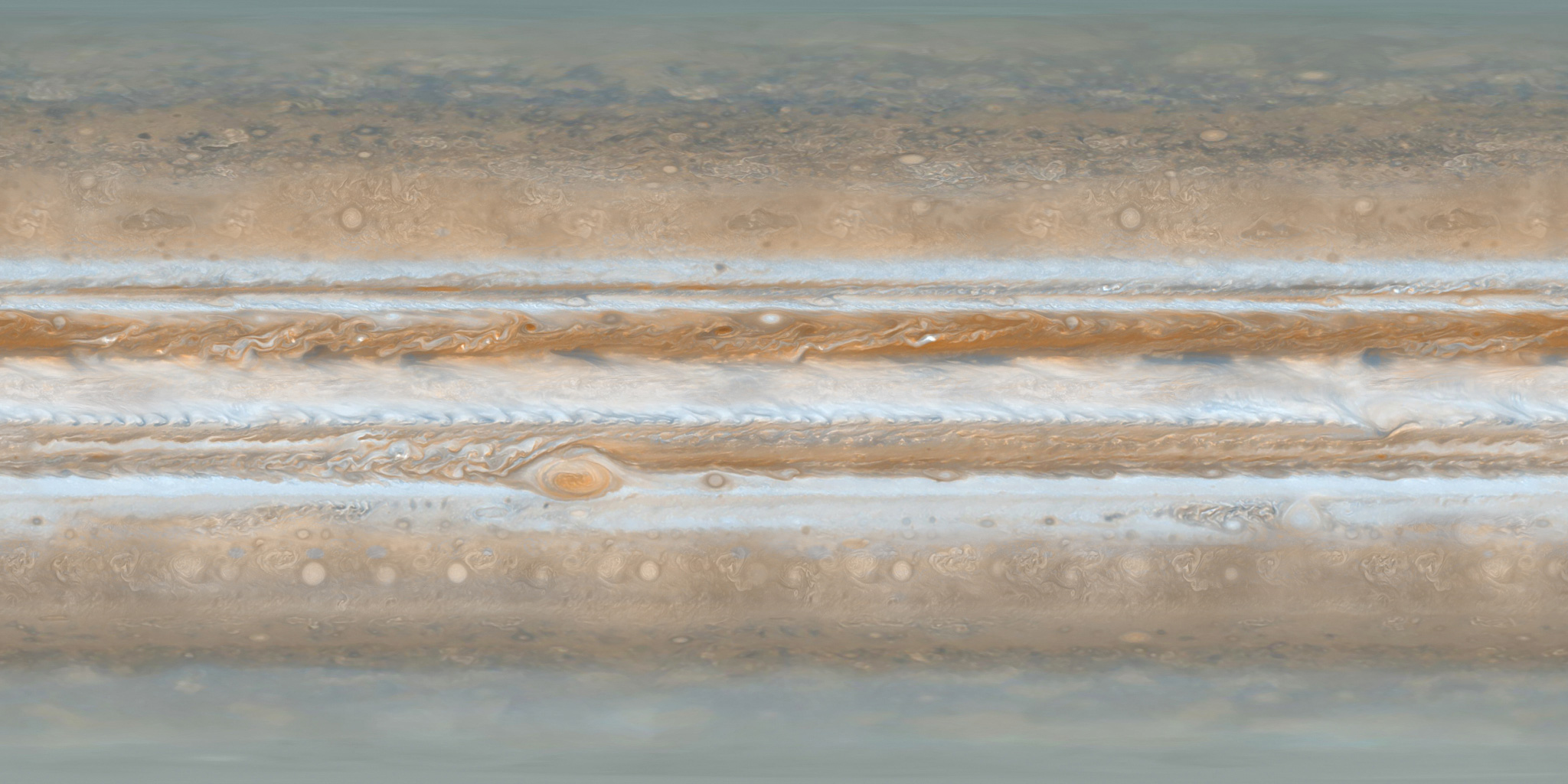 5th planet from the Sun
Jupiter
142,984 km · Moons: 115
Read the profile
5th planet from the Sun
Jupiter
142,984 km · Moons: 115
Read the profile
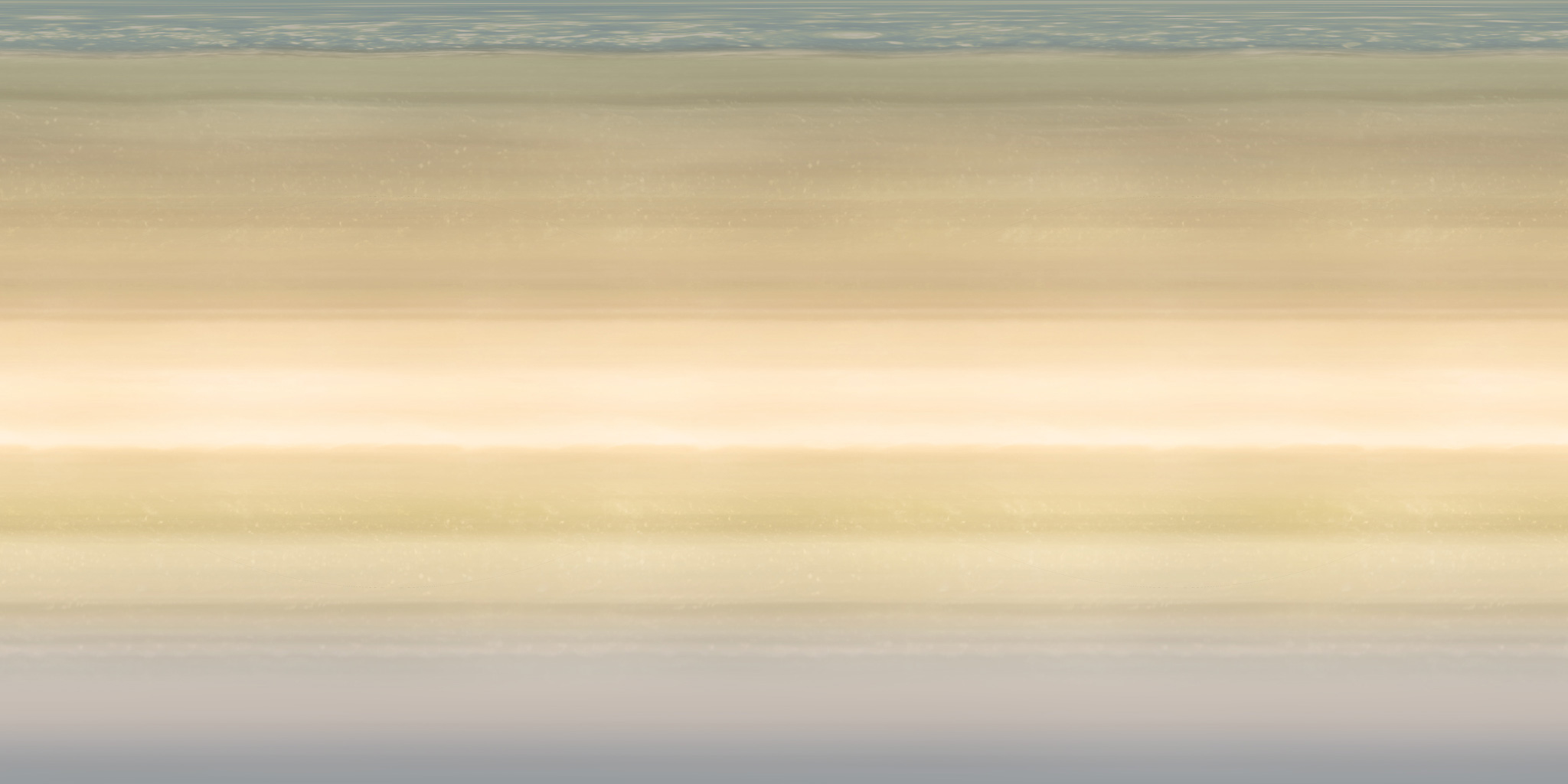 6th planet from the Sun
Saturn
120,536 km · Moons: 293
Read the profile
6th planet from the Sun
Saturn
120,536 km · Moons: 293
Read the profile
 7th planet from the Sun
Uranus
51,118 km · Moons: 29
Read the profile
7th planet from the Sun
Uranus
51,118 km · Moons: 29
Read the profile
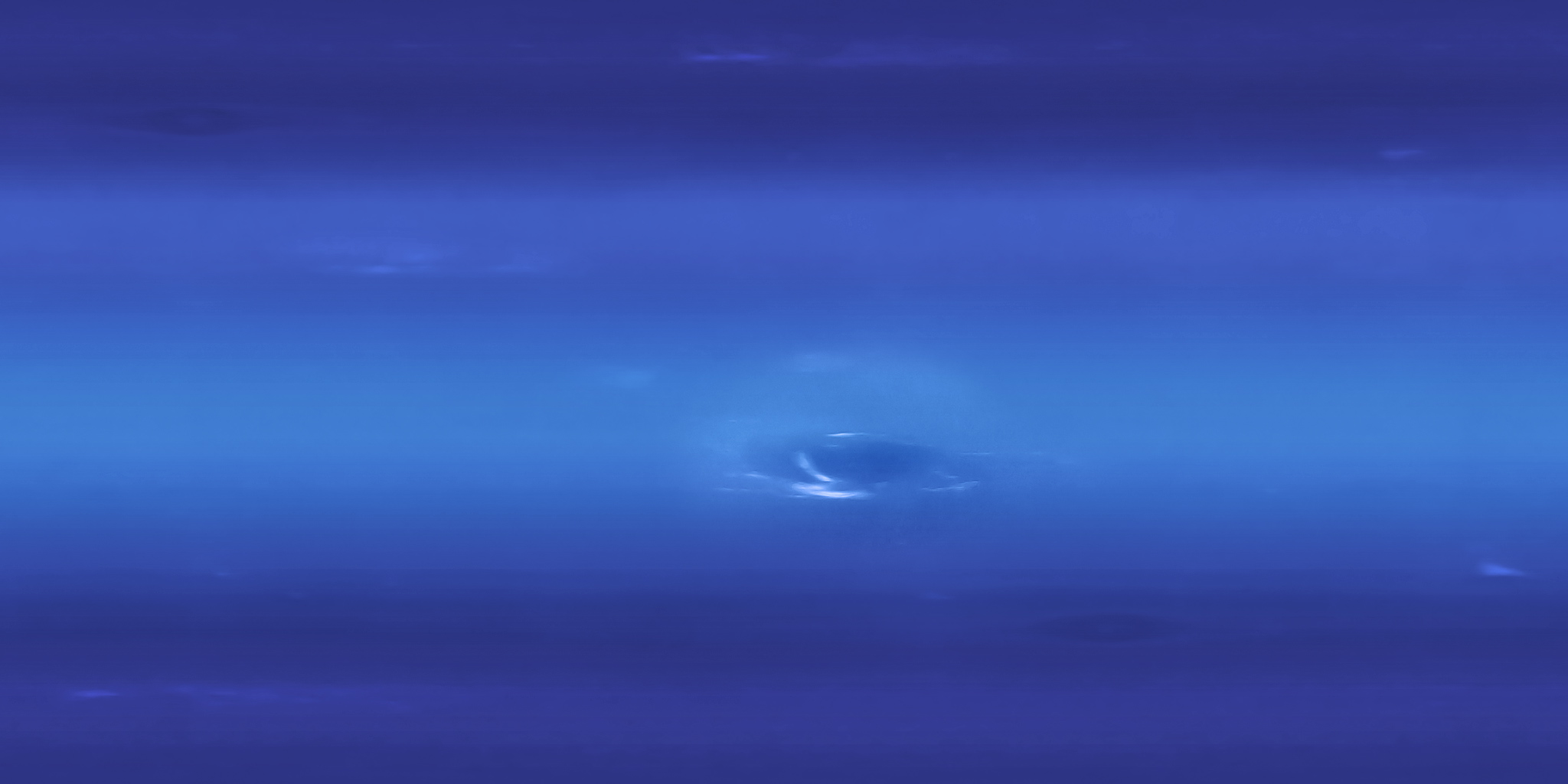 8th planet from the Sun
Neptune
49,528 km · Moons: 16
Read the profile
8th planet from the Sun
Neptune
49,528 km · Moons: 16
Read the profile
The five dwarf planets
Spherical like planets, but not massive enough to have cleared their own orbit: that is the criterion which in 2006 moved Pluto into a new category, together with Ceres, Haumea, Makemake and Eris.
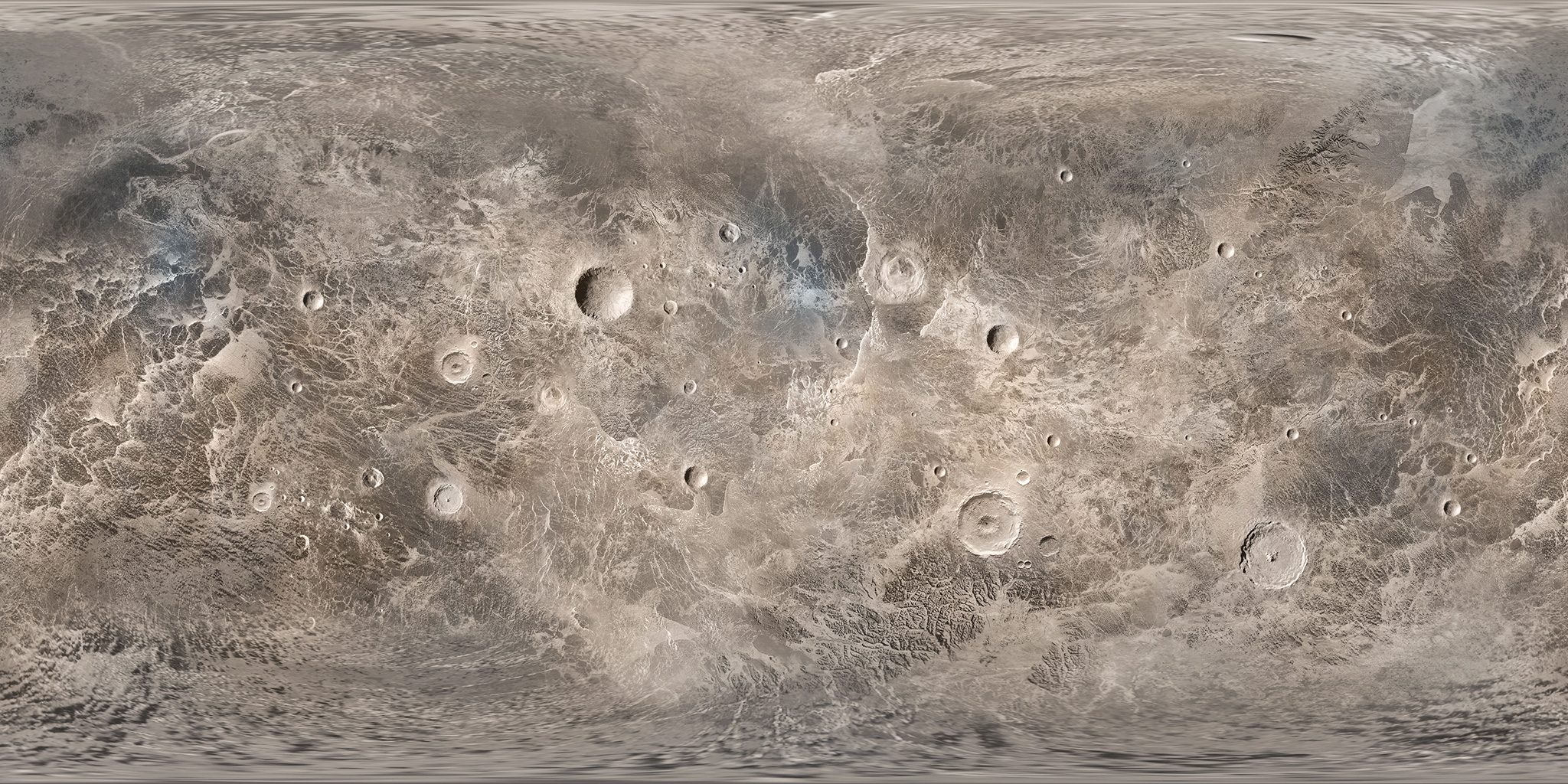 Dwarf planet in the asteroid belt
Ceres
939 km · Moons: 0
Read the profile
Dwarf planet in the asteroid belt
Ceres
939 km · Moons: 0
Read the profile
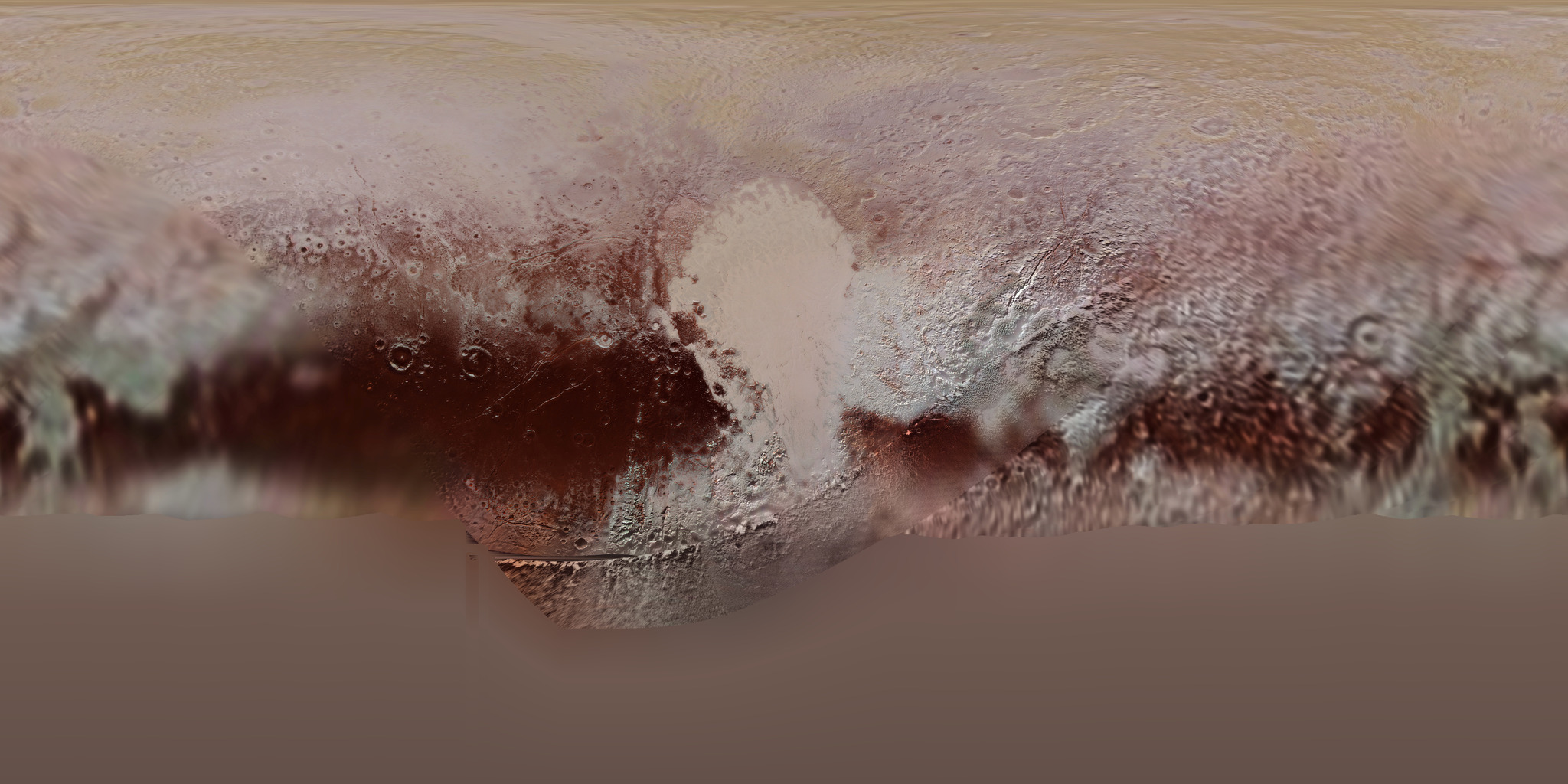 The former ninth planet
Pluto
2,377 km · Moons: 5
Read the profile
The former ninth planet
Pluto
2,377 km · Moons: 5
Read the profile
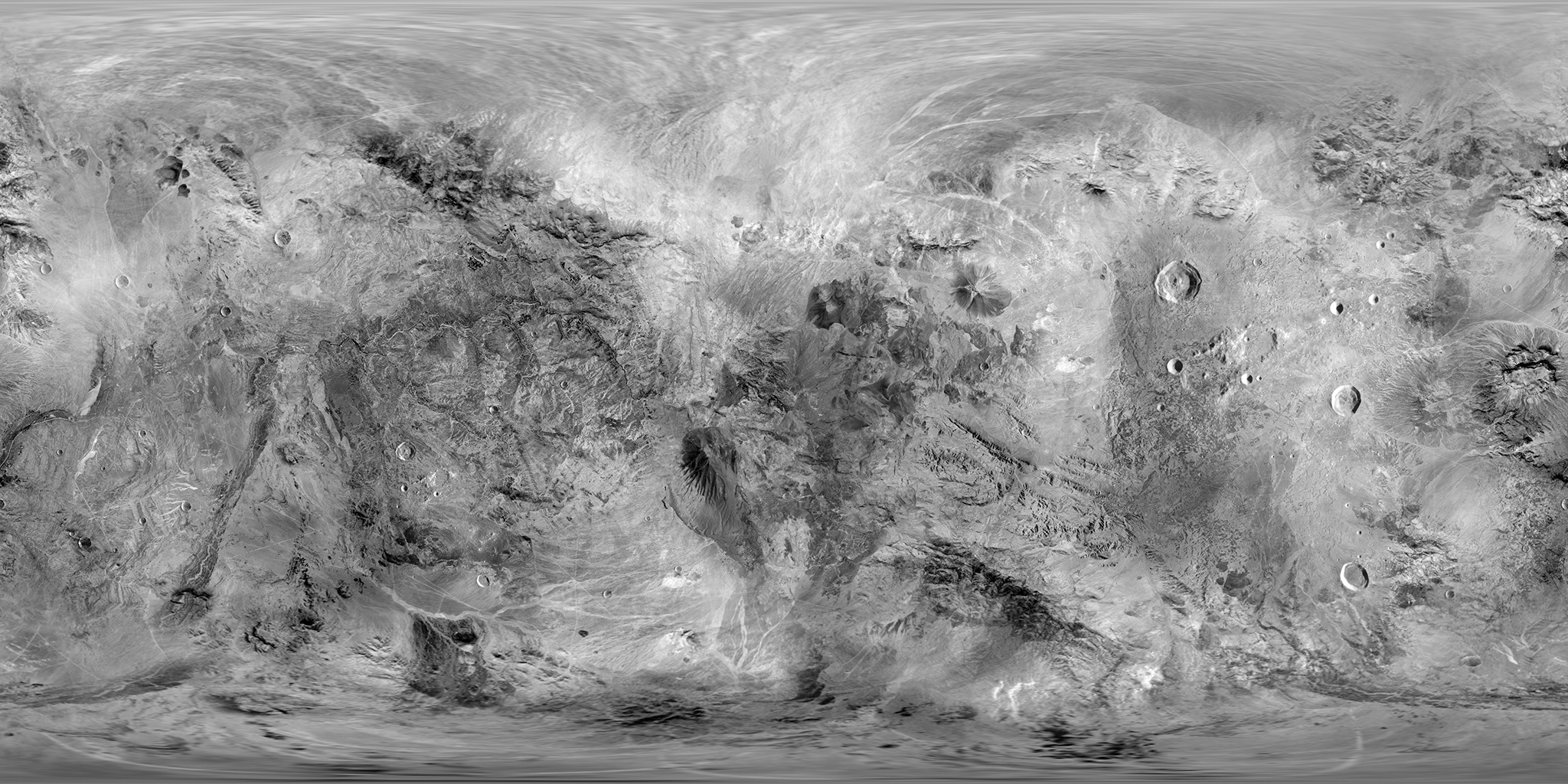 The fastest-spinning dwarf planet
Haumea
2,322 × 1,704 × 1,026 km · Moons: 2
Read the profile
The fastest-spinning dwarf planet
Haumea
2,322 × 1,704 × 1,026 km · Moons: 2
Read the profile
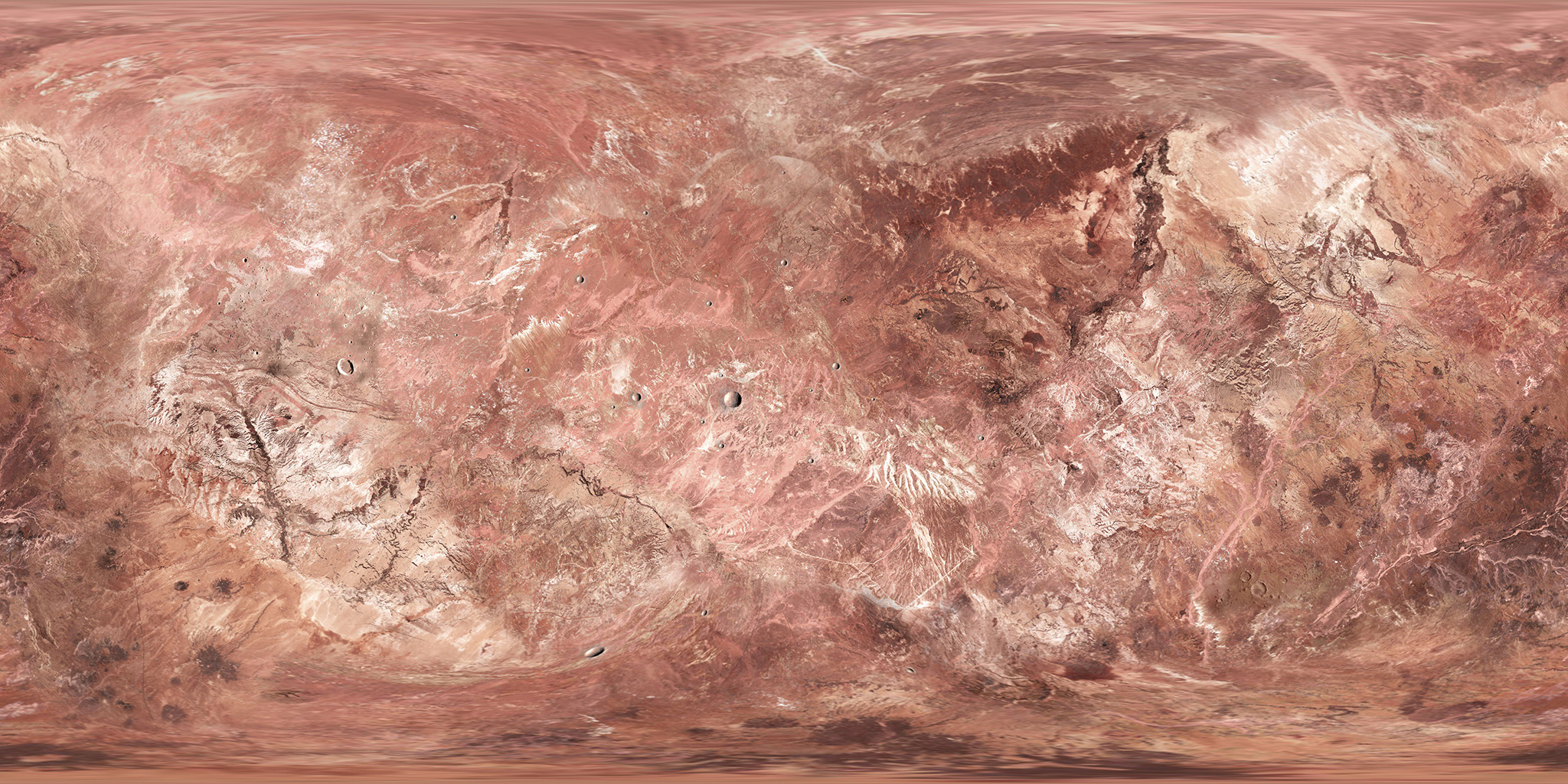 Methane ice in the Kuiper Belt
Makemake
1,430 km · Moons: 1
Read the profile
Methane ice in the Kuiper Belt
Makemake
1,430 km · Moons: 1
Read the profile
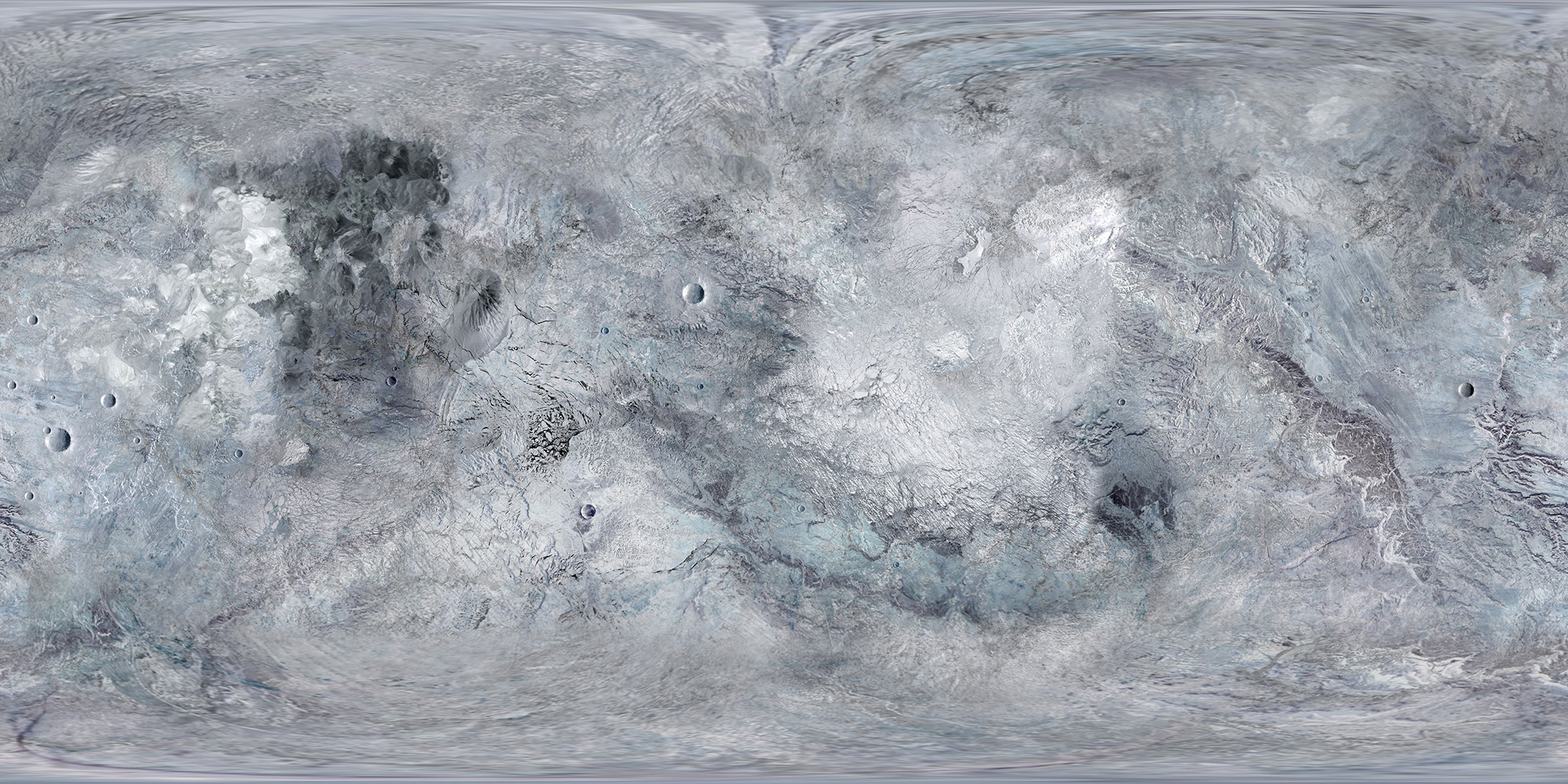 The most massive dwarf planet
Eris
2,326 km · Moons: 1
Read the profile
The most massive dwarf planet
Eris
2,326 km · Moons: 1
Read the profile
Asteroids and comets
Beyond the planets and dwarf planets, more than a million known asteroids and countless comets orbit the Sun. 16 of them, from Vesta to Halley's Comet, have a profile with data, missions and a 3D model.
Explore the small bodiesFrequently asked questions
How many planets are in the Solar System?
There are 8: Mercury, Venus, Earth, Mars, Jupiter, Saturn, Uranus and Neptune. The number comes from the definition adopted by the International Astronomical Union (IAU) in 2006: a planet orbits the Sun, is massive enough to be nearly round, and has cleared the neighbourhood around its orbit of other bodies.
What is the order of the planets from the Sun?
From nearest to farthest: Mercury (57.9 million km), Venus (108.2 million), Earth (149.6 million), Mars (227.9 million), Jupiter (778.5 million), Saturn (1.43 billion), Uranus (2.87 billion) and Neptune (4.5 billion km). These are average distances: every orbit is an ellipse.
How many dwarf planets are there?
The IAU officially recognises 5: Ceres, Pluto, Haumea, Makemake and Eris. They are massive enough to be nearly round, but have not cleared their orbits. Many other candidates, such as Gonggong, Quaoar and Sedna, are still awaiting official classification.
Why is Pluto no longer a planet?
Because it fails the third criterion of the 2006 definition: Pluto shares the Kuiper Belt with thousands of other icy bodies and does not dominate its orbit. It was therefore reclassified as a dwarf planet, and since then the Solar System has had 8 planets instead of 9.
What are the largest and the smallest planets?
The largest is Jupiter: 142,984 km across, about 11 times Earth's diameter, with more mass than all the other planets combined. The smallest is Mercury, at 4,879 km, only slightly larger than the Moon.
What is the hottest planet?
Venus, even though Mercury is closer to the Sun. Its thick carbon dioxide atmosphere traps heat in an extreme greenhouse effect, keeping the surface at around 465 °C (about 870 °F) day and night.
Watch the whole Solar System in motion
Real orbits, moons and speeds rebuilt from NASA/JPL data, right in your browser. Free, nothing to install.
Launch the 3D simulation